I ran. And I didn’t pee my pants!
Yes, that is how I’m starting this story. Because that was a victory worth mentioning.
I was out with my dogs, taking in their exuberance, and I wanted to join them. I wanted to have fun. Run. Jump in puddles. Make it the best day ever.
So I did.
The motivation was right there in front of me: two dogs full of energy and an opportunity to participate. That moment belongs in the conversation about movement just as much as anything I’ve ever done in a gym.
A body with a history
My relationship with movement has included CrossFit at 284 pounds, injury, back surgery, and rehabilitation. I also have a background in dance and a degree in Exercise Science, with a concentration in Adapted Physical Education.
I’ve studied movement, taught it, and had to reconsider what it looked like in my own life.
There is something humbling about having knowledge and still needing to figure out what works for the body you’re living in today. Knowing the concepts doesn’t make you exempt from frustration, changing abilities, or starting again.
That experience is part of what I bring to The Ripple. Movement has to have room for the person doing it: their history, their ability, their environment, and the kind of life they want to participate in.
Sometimes that means building strength. Sometimes it means adapting. Sometimes it means noticing an opportunity you would have walked past before.
Movement in the life you already have
I’ve asked myself: what are the chances I’ll do CrossFit forever? Now, what are the chances I’ll keep going to the bathroom, washing dishes, or hearing a song that makes me want to dance?
Those everyday moments are places to begin.
I’ve talked about a squat in a bathroom stall, push-ups at a sink, heel raises, and paying attention to how I’m standing while washing dishes. A doorway or a mirror can become a reminder to pause and notice my position. Where are my feet? What are my shoulders doing? Am I comfortable, or have I been holding myself the same way for a while?
For me, 4% Better can be a small adjustment in alignment or placement. Sometimes it might be two more repetitions. Sometimes it means choosing a smaller version that I can do comfortably today.
These are examples to adapt to your own ability and surroundings. Your starting point may look completely different from mine.
We already have routines. We can become curious about the opportunities inside them.
When did you last move for fun?
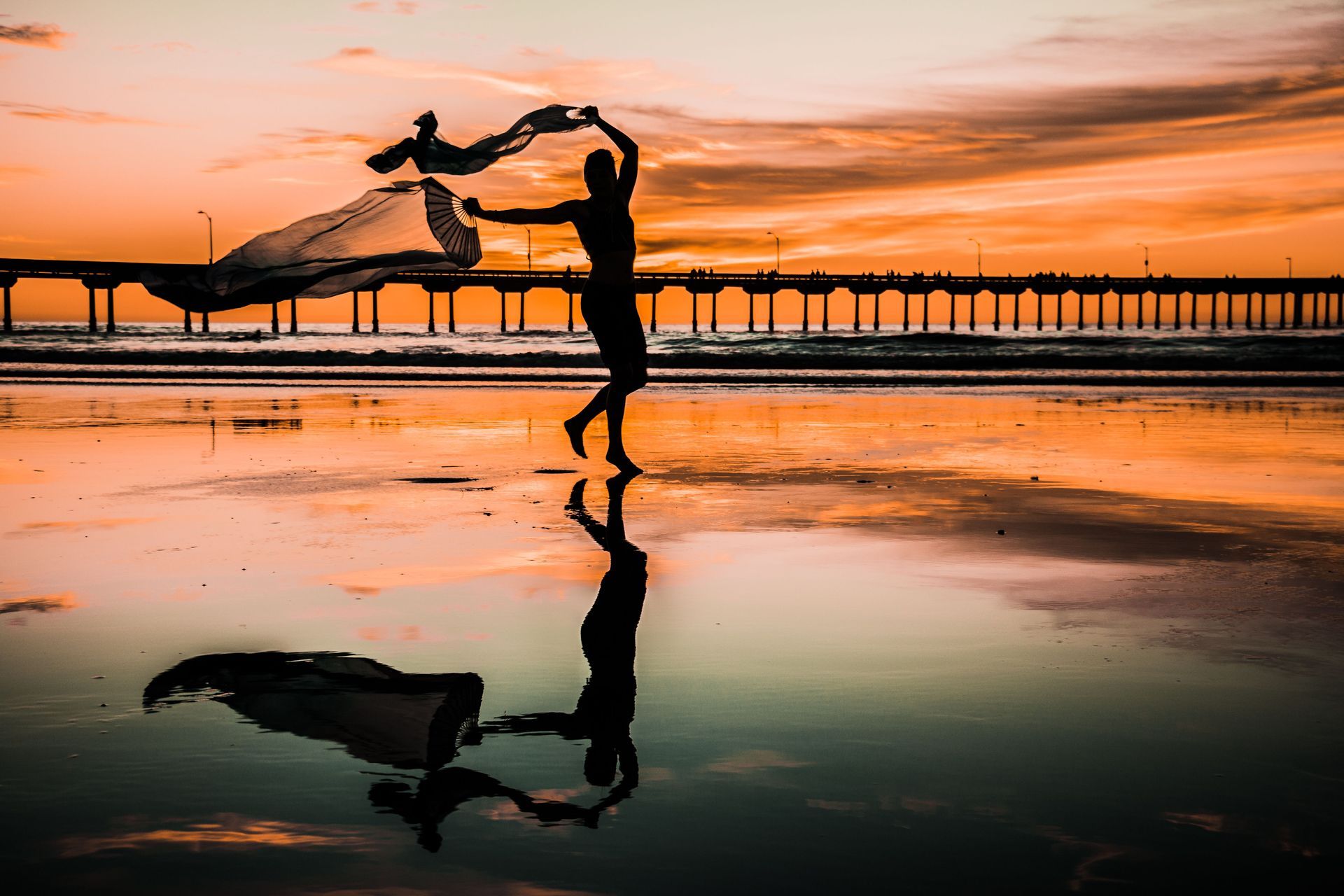
Dance is part of my history, and music still gives me a way into movement. Even if I’m sitting down, I can participate. A little shoulder movement, a little rhythm, a moment of enjoying the song.
That matters to me. I want movement to have a place in my life that I actually want to return to.
When was the last time you moved because you were having fun? When did you hear music and let yourself respond? What did you enjoy doing before you started evaluating whether it counted as exercise?
We don’t all need the same answer. Yours might involve dancing, gardening, playing with your children, or being part of a team. Mine recently involved dogs and puddles.
“Best day ever” gave me an intention I could act on. I could join the fun that was already happening around me.
Making room for how it really feels
When I talked about that run afterward, I also said I felt panicky. Maybe it was excitement. I wasn’t sure how to name it.
I want to leave that uncertainty in the story, because it was part of my experience. I could celebrate what I had done and still have feelings I was sorting through.
I called it good practice. Practice noticing an opportunity. Practice joining in. Practice paying attention to what I felt afterward, without needing to turn the experience into a perfect success story.
When I say “movement as medicine,” I’m talking about the place movement can have in caring for myself. It isn’t a promise that movement fixes everything or replaces medical or mental-health care.
Some days I walk because I need room to think. Some days I dance because I like the music. And some days I run because the dogs make it look like a really good idea.
What do you want to keep participating in?
We may not all get back to our championship volleyball form. But I still want to feel like I can walk onto the court proudly.
That gives movement a purpose connected to my life. I want to participate, enjoy myself, and keep exploring what is possible for me.
Think about what that means for you. What activity would you like to keep doing? What have you missed? Is there a version you could enjoy with the body and ability you have today?
Your 4% Better step can start there. Choose one opportunity for movement that feels approachable and enjoyable. Let it be small enough to fit into your day, and notice how it feels. Adapt, pause, or seek guidance when you need it.
You don’t have to have it all figured out to begin.
A Ripple to Reflect On
- What kind of movement has brought me joy at another point in my life?
- Where could movement fit naturally into a routine I already have?
- What would I like to participate in, and what version is accessible to me today?
- What small moment could I create with the intention of enjoying myself?